

Did our ancestors really gather in the frost to burn logs, kiss under mistletoe and greet the longest night with Druids? Partly, and mostly not in the way the greetings cards suggest. The truth about winter solstice traditions in British history is patchier, odder and more interesting than the tidy story, and the solstice itself (21 December in 2026) often turns out to be the guest, not the host.
Here are the questions I hear most often, answered as straight as the evidence allows.
What do we actually know about winter solstice traditions in British history?
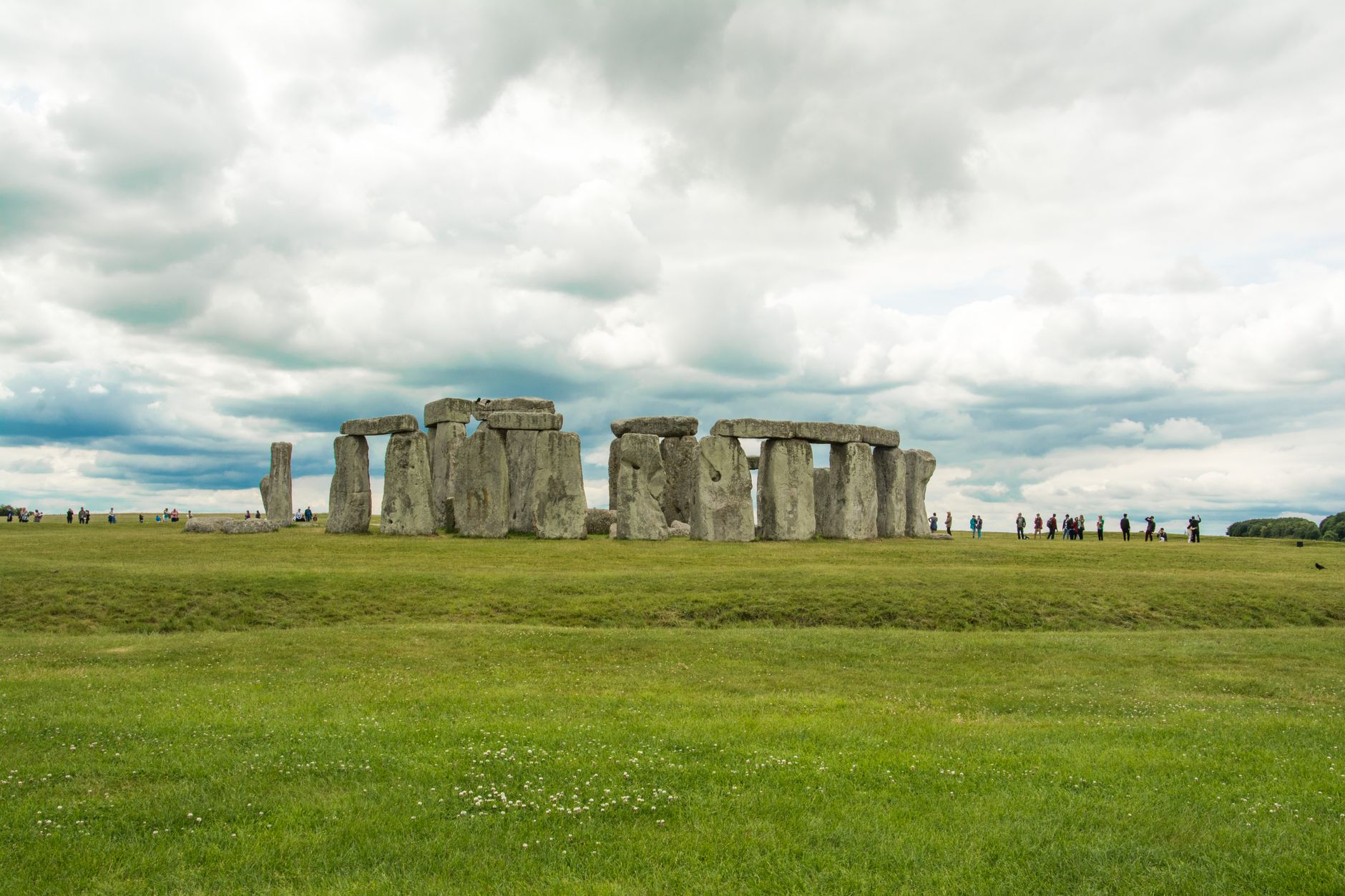
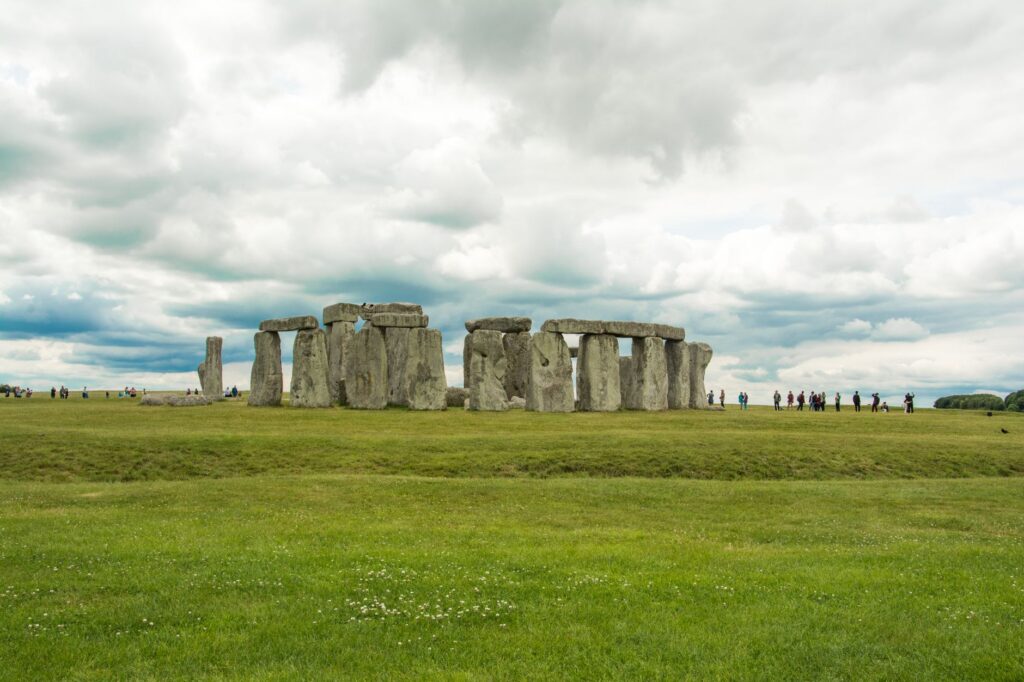
The firmest evidence is for prehistoric monuments, not folk customs. Maeshowe in Orkney is built so that the midwinter sun sets down its entrance passage, and Stonehenge is widely understood by archaeologists to be aligned on the midwinter sunset as well as the summer sunrise. Excavations at the nearby Durrington Walls settlement found large quantities of pig bones, which researchers have read as evidence of midwinter feasting around 2500 BC.
After that there is a long silence. We have no written account of what Neolithic people believed, and nobody can honestly tell you what they said or sang. Everything that fills the gap is inference, and some of it is wishful.
Were the Druids at Stonehenge for the solstice?
No. Stonehenge was built thousands of years before the Druids of the Iron Age, and the link was invented by antiquarians. John Aubrey suggested it in the 17th century and William Stukeley ran with it in the 18th. The Romans did write about Druids, but nothing they wrote places them at Stonehenge.
The modern Druid gatherings at the monument have their own real history, going back to the early 1900s, and they are a living religious practice worth respecting. They are just not a survival from the Bronze Age. English Heritage, which manages the site, publishes information on Stonehenge including how access around the solstices works.
Is the Yule log a genuine old custom?
Yes, though it is younger and less pagan than people claim. The word Yule comes from Old English, and Bede mentions the months of Giuli in the eighth century, so the name is old. The burning of a large Yule log on the hearth at Christmas is well recorded in England from the 17th century, when Robert Herrick wrote verses about it.
What we lack is proof that it was a solstice rite from the pagan era. It was a practical, cheerful household custom tied to Christmas, with a bit of luck-bringing attached: keep a charred piece to light next year’s log, and so on. The chocolate version is, naturally, a later invention.
Did mistletoe and holly come from the Druids?
Mostly the mistletoe story comes from a single Roman source. Pliny the Elder described Gaulish druids cutting mistletoe with a golden sickle, which is about Gaul, not Britain, and is not about kissing. Kissing under mistletoe is recorded in England in the 18th century, as a servants’ and households’ game, and it is the sort of custom that grew up without anyone planning it.
Evergreens in winter are a different matter. Bringing holly and ivy indoors is an old, sensible instinct, and the carol ‘The Holly and the Ivy’ was collected in Gloucestershire in the early 20th century. A custom can be old without being a Druid secret.
What did rural Britain really do at midwinter?
Rural people marked the turn of the year with food, noise and visiting, and the dates mostly followed the church calendar, not the sun. Wassailing, where people blessed apple trees with song, toast and gunshot, belongs to Twelfth Night on 5 or 6 January, or Old Twelfth Night on 17 January, in cider counties. Mummers’ plays, with their St George and their doctor who revives the dead, are recorded from the 18th century onwards and were performed at Christmas.
Victorian folklorists, steeped in J. G. Frazer’s The Golden Bough (1890), declared mummers’ plays to be fossilised fertility rites. Later scholars have mostly dropped that idea, since the written evidence does not go back far enough to support it. The plays are real folk tradition. Their ancient origin is the part that was made up.
There is also a little-quoted detail from Bede, who said the Anglo-Saxons began their year on 25 December and called the night Modranicht, ‘mothers’ night’. It is tantalising, and it is all we have. Nobody knows what happened on it.
How much did the Victorians change midwinter?
A great deal, and it is the Victorians you are really celebrating when you light the tree. Christmas had been unfashionable in some circles, and Parliament banned its celebration in 1647 during the Civil War period, though the ban was widely ignored and later lifted. In the 19th century it was rebuilt as a domestic, family festival.
The Christmas tree became a national fixture after an engraving of Queen Victoria and Prince Albert with their tree appeared in the Illustrated London News in 1848. Christmas cards started in 1843, thanks to Henry Cole. Carol collecting, the revival of old songs and the cult of ‘Merrie England’ all come from the same century. It was nostalgia, with a bit of tidying.
Where does modern pagan solstice practice fit?
Modern paganism is a genuine, living religion with roots mostly in the 20th century, and it deserves to be judged as that, not as a lost survival. Druid and Wiccan groups, and the people who stand in the cold at Stonehenge, draw on archaeology, folklore and imagination, and say so openly. I find that more honest than the older claim that this has all been done in secret for 5,000 years.
My own view is that the romantic gloss does the past a disservice. A Neolithic community hauling pigs to a midwinter feast needs no invented Druid to be remarkable. If you want to mark the longest night this year, light a candle, eat well, bring in some holly and enjoy the continuity of doing so, without pretending it is a direct line to 2500 BC. If you want the real thing, visit Maeshowe or Stonehenge around the solstice and watch the sun go down in the gap.
Frequently Asked Questions
When is the winter solstice in 2026?
The winter solstice falls on 21 December in 2026. It is the shortest day and longest night in the northern hemisphere. The exact time is published by the Met Office and the Royal Observatory, so check there if you want the minute.
Did ancient Britons celebrate the winter solstice?
Probably, in some form. Monuments such as Maeshowe and Stonehenge are aligned on the midwinter sun, and animal bones at Durrington Walls suggest feasting. There are no written records, so what people believed or did remains unknown.
Is Christmas a pagan festival in disguise?
Not neatly. Christmas on 25 December was a Christian date, and the idea that it was simply taken from a pagan feast is debated by historians. Many of its customs, such as the tree and the cards, are Victorian.
What is wassailing and when does it happen?
Wassailing is a custom of blessing apple trees with song, cider and noise to ensure a good harvest. It is linked to cider-making counties and is traditionally held on Twelfth Night or Old Twelfth Night, in January, not at the solstice.
Can you visit Stonehenge at the winter solstice?
Usually yes. English Heritage has traditionally managed solstice access, with arrangements varying from year to year. Check the English Heritage website for current details, as access, parking and rules can change.

Leave a Reply